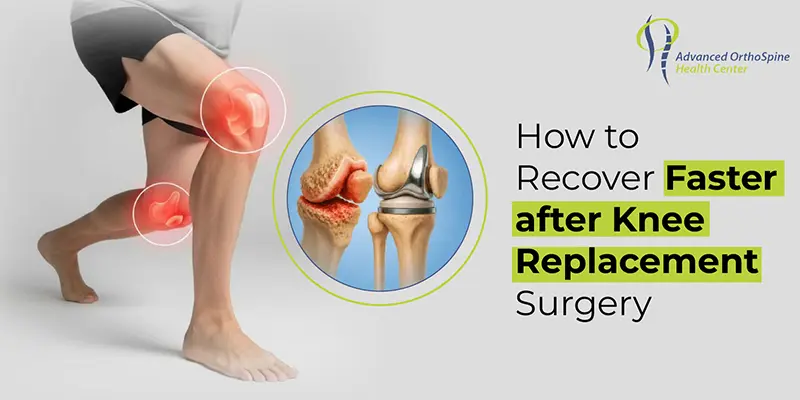
Knee replacement surgery can be a wonderful thing, relieving you of chronic pain and stiffness. But the real gains come after surgery. Your recovery depends on how you walk, exercise, rest, eat and manage swelling.
Follow your doctor’s advice, go to physio, move regularly and don’t do too much too soon and you’ll recover faster from knee replacement surgery. But remember, it takes time and patience to recover. Some people begin walking within a day, while others need more support. The aim is not to rush. The aim is to improve safely, one step at a time.
Begin Walking with Proper Support
Doctors usually encourage patients to stand and walk soon after surgery. Early movement helps improve blood flow and keeps the knee from getting too stiff.
You might need a walker or crutches at first. Use them until your doctor or physiotherapist tells you that you can walk without support. If you try to walk alone before your leg feels steady, you may be more likely to fall.
Start with short walks in your room or house. Walk slowly, placing your heel down first and then the rest of your foot. Try not to drag the operated leg.
Several short walks during the day are often better than one long walk that leaves you tired and sore.
Take Knee Replacement Physical Therapy Seriously
Knee replacement physical therapy helps you regain movement, balance, and strength. Your therapist will show you how to bend and straighten the knee without putting unnecessary pressure on the joint.
Physical therapy following your knee surgery may include:
- Bed exercises
- Assisted walking
- Knee bending exercises
- Strengthening of your thigh muscles
- Balance exercises
- Stair training
- Posture training
Don’t miss therapy sessions without a good reason. Regular practice will make everyday activities easier, such as getting out of bed, using the bathroom, standing from a chair, and climbing stairs.
After surgery, patients may receive guidance from Advanced Orthospine Health Center on follow-up care, planning rehabilitation, and moving safely. Patients are given advice based on age, strength, pain level, and overall health.
Best Exercises After Knee Replacement
The best exercises after knee replacement are usually basic movements that keep the leg active and reduce stiffness. Do them slowly and stop if you feel sharp pain.
Ankle Pumps
Lie down or sit with your leg supported. Move your foot up and down. This simple exercise improves circulation in the lower leg.
Heel Slides
Lie on your back and slowly slide your heel towards your body. Bend the knee only as far as you can comfortably manage. Then slide the leg back to a straight position.
Thigh Tightening
Keep your leg straight. Tighten the front thigh muscles and gently press the back of your knee towards the bed. Hold for a few seconds and relax.
Straight Leg Raise
Keep the knee straight, tighten your thigh, and slowly lift the leg a few inches. Lower it gently. Your therapist may ask you to avoid this exercise until your leg has enough control.
Sitting Knee Bends
Sit on a firm chair. Slide your operated foot backwards to bend the knee. Hold the position for a few seconds, then move the foot forward.
These exercises after knee replacement help improve muscle control and joint movement. Do only the number of repetitions advised by your physiotherapist.
A Simple Knee Replacement Recovery Timeline
First Week
During the first week, the main focus stays on pain control, wound care, standing, and short walks. You may need help while using the bathroom or getting out of bed.
Weeks Two to Four
You may begin walking for longer periods and feel more comfortable while sitting or standing. Continue your home exercises and therapy sessions.
Weeks Four to Six
Many patients can handle light household tasks during this stage. Some may reduce their use of walking aids after medical approval.
Weeks Six to Twelve
The knee may feel stronger, but swelling can still appear after activity. Continue strength and balance exercises.
After Three Months
Daily movement often becomes easier. Recovery from a total knee replacement can take a few months, depending on your health, muscle strength, and rehabilitation routine.
Manage Pain and Swelling
Pain and swelling are common after surgery, especially during the first few weeks. Take your medicines exactly as prescribed. Do not change the dose without speaking to your doctor.
Use an ice pack wrapped in a cloth. Place it around the knee for the period advised by your medical team. Never place ice directly on your skin.
Raise your leg while resting. Keep the ankle above heart level when possible. This may help reduce swelling.
Some swelling after walking or exercise is normal. However, sudden swelling, severe pain, or unusual warmth needs medical attention.
Eat Foods That Support Healing
Your body needs good nutrition after surgery. Protein helps repair tissue and rebuild muscle. Add eggs, lentils, paneer, milk, yoghurt, fish, chicken, beans, and nuts to your meals.
Fresh fruit and vegetables are a good source of vitamins and minerals. Whole grains and fibre-rich foods can help prevent constipation, which is common after surgery due to pain medicines and lack of movement.
Drink enough water unless your doctor has advised you to limit fluids.
Smoking and alcohol can slow healing. Avoid them during recovery.
Avoid These Common Mistakes
Many patients slow their progress by doing too little or too much. Both can cause problems.
Avoid:
- Staying in bed for long hours
- Skipping physiotherapy
- Walking without support too early
- Sitting on very low chairs
- Twisting the operated leg
- Lifting heavy items
- Driving without medical approval
Do not place a thick pillow directly under the knee for long periods. This can keep the knee bent and make it harder to straighten later. Support the heel or lower leg instead, but follow your doctor’s instructions.
Protect the Surgical Wound
Keep the wound clean and dry. Do not apply creams, oils, powder, or home remedies unless your surgeon approves them.
Wear loose clothing to prevent rubbing around the incision. Check the wound daily for redness, leakage, bleeding, or increasing swelling.
Attend every scheduled follow-up appointment. The doctor will check wound healing, knee movement, pain, and walking ability.
When Should You Call the Doctor?
Contact your doctor if you notice:
- Fever or chills
- Fluid or pus coming from the wound
- Increasing redness around the incision
- Severe calf pain
- Sudden swelling in one leg
- Pain that keeps getting worse
- Chest pain
Chest pain or sudden breathing trouble needs emergency care.
Conclusion
Learning how to recover faster after knee replacement surgery is not about forcing the knee to improve quickly. It is about staying regular with walking, exercises, medicines, food, and follow-up care.
Listen to your body, but do not become afraid of movement. Mild discomfort can happen during therapy, but sharp pain should never be ignored. With the right physical therapy for knee
replacement and diligent home exercises, you can build strength, balance and confidence over time.
FAQ
1. How long does it take to recover from knee replacement?
Most patients will show improvement within 6-12 weeks but full recovery can take several months.
2. Do you have to walk after knee surgery?
Yes. Regular short walks are good for circulation, strength and movement of the knee.
3. Best exercise post knee replacement?
Heel slides, ankle pumps, thigh tightening and supported knee bends are often recommended.
4. Can I go up stairs after the operation?
Yes, but only once your physiotherapist has shown you how to do it correctly and safely.
5. Why is my knee swollen after working out?
Mild swelling can be present after activity. Rest, ice and elevation may help but severe swelling should be discussed with a doctor.