
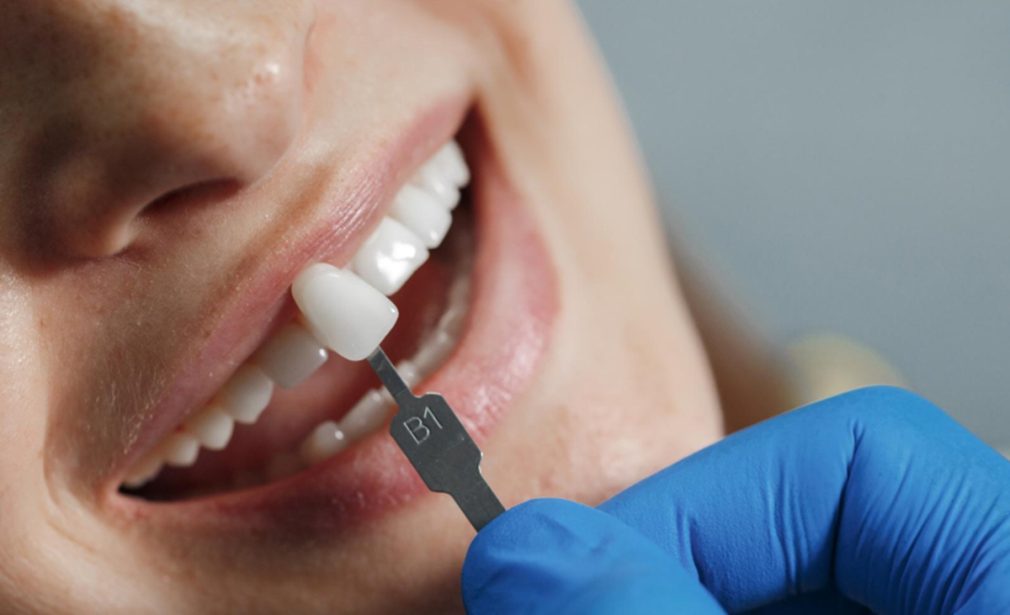
Whether you have a broken tooth making chewing painful or missing teeth that affect your smile and ability to eat, we can help. Dental Crowns & Bridges Dubai treatments are used to fix the damaged or missing teeth. Patients of Advanced Orthospine Health Center can talk about dental crowns and bridges after a check-up of their teeth, gums and general health of the mouth.
What Are Dental Crowns and Bridges?
A dental crown is a custom-made cap placed over a damaged tooth. It covers the visible part of the tooth and helps protect it from more damage. Dentists commonly recommend crowns when a tooth has a large cavity, fracture or extensive filling.
A dental bridge replaces missing teeth. It contains artificial teeth held in place by nearby natural teeth or dental implants.
Both treatments are fixed in the mouth, so patients cannot remove them like ordinary dentures.
When Do You Need a Dental Crown?
If a regular filling won’t provide adequate support, your dentist may suggest a crown.
Common reasons include:
- A tooth has cracked after an accident.
- A large cavity has damaged the tooth.
- An old filling has weakened the tooth.
- A root canal-treated tooth needs protection.
- A tooth has become badly worn.
- A broken tooth affects chewing.
Your dentist will first check whether enough healthy tooth structure remains to support a crown.
Different Types of Dental Crowns
Zirconia Crowns
Zirconia crowns are made from strong ceramic material. Their tooth-like colour makes them an option for visible teeth, while their strength also makes them useful for back teeth.
Porcelain Crowns
Porcelain crowns closely resemble natural teeth. Dentists may recommend them when appearance is important. However, porcelain can chip, especially under heavy biting pressure.
Porcelain-Fused-to-Metal Crowns
These crowns combine a metal base with an outer porcelain layer. They provide strength and a tooth-coloured finish, although the metal edge may become noticeable over time.
Metal Crowns
Metal crowns are durable and resist chipping. Dentists generally consider them for less visible back teeth.
Types of Dental Bridges
Several bridge designs are available for replacing missing teeth.
- Traditional bridge: Uses crowns on neighbouring teeth to support the replacement tooth.
- Cantilever bridge: Receives support from a tooth on one side.
- Maryland bridge: Uses bonded wings attached behind neighbouring teeth.
- Implant-supported bridge: Connects to dental implants rather than natural supporting teeth.
The right bridge depends on the location of the gap, gum condition and strength of the neighboring teeth.
Dental Crowns and Bridges Treatment Process
- Dental Checkup
The dentist examines your mouth and checks the affected teeth. X-rays may be needed to identify hidden decay, infection or bone problems.
- Tooth Preparation
For a crown, the dentist removes decay and reshapes the tooth. A traditional bridge requires preparation of the supporting teeth.
Local anaesthesia helps keep you comfortable during this stage.
- Dental Impressions
The dentist takes impressions or digital scans to record your tooth shape. A dental laboratory uses these measurements to prepare the restoration.
You will be fitted with temporary crowns or bridges to protect your teeth until the permanent one is ready.
- Final Placement
Your dentist checks the crown or bridge for proper fit, colour and bite. Once everything fits correctly, the restoration is secured in place.
Benefits of Dental Crowns and Bridges
Crowns and bridges can help patients with several everyday problems.
- Make chewing easier.
- Cover and protect weakened teeth.
- Fill spaces left by missing teeth.
- Improve the appearance of damaged teeth.
- Help maintain proper contact between teeth.
- Reduce discomfort caused by certain damaged teeth.
But crowns and bridges cannot prevent every future dental problem. Supporting teeth still need regular cleaning and dental examinations.
How Long Do Dental Crowns and Bridges Last?
Dental crowns often last 10 to 15 years, although some last longer. Bridges can also remain functional for many years with proper care.
Their lifespan depends on oral hygiene, crown material, biting habits and gum health.
Brush twice daily, floss and see your dentist regularly Patients with bridges should clean underneath the artificial teeth using floss threaders or suitable interdental brushes.
Avoid chewing on ice and other very hard objects. Contact your dentist if a crown becomes loose or painful.
Dental Crowns and Bridges Cost in Dubai
The price of dental crowns and bridges in Dubai depends on several factors:
- Material used for the restoration
- Number of teeth being treated
- Condition of supporting teeth
- Dental laboratory charges
- Additional root canal or gum treatment
- Need for dental implants
Your dentist can provide a treatment estimate after examining your teeth. Insurance coverage depends on your policy and the reason for treatment.
Dental Crowns and Bridges at Advanced Orthospine Health Center
Advanced Orthospine Health Center in Dubai offers dental services for patients dealing with damaged or missing teeth. A dental consultation helps determine whether crowns, bridges or another treatment may work for your condition.
Patients should discuss treatment costs, available materials and expected appointments before proceeding.At Advanced Orthospine Health Center, we approach dental care as an integral component of holistic health. Our specialized dental services combine advanced medical technology, precision treatment, and patient-centered care to ensure optimal oral health and overall wellness.
Dental Hygiene is crucial not only for your teeth and gum’s health but also for overall well being. Heart Disease, Dementia, Respiratory (breathing system Infections), Diabetes, Pregnancy Complications, Infertility, Sexual Dysfunction, and Cancer are among diseases linked to poor oral health.
Frequently Asked Questions
01. Is getting a dental crown painful?
Dentists use local anaesthesia during preparation. Mild sensitivity may occur afterwards.
02. Can a dental bridge replace two teeth?
Yes, provided suitable supporting teeth or implants are available.
03. How many visits does a crown require?
Traditional crowns commonly require two visits, although some cases need additional appointments.
04. Can I eat normally with a dental bridge?
Yes. Most patients can return to normal eating after the dentist confirms proper fitting.
05. Are dental crowns permanent?
Crowns are fixed restorations, but they may eventually need repair or replacement.