Table of Contents
A herniated disc can cause sharp back pain, numbness, and limited mobility. In this article you will learn about practical ways to relieve pain and recover faster using safe treatments, exercises, and lifestyle changes.
Understanding Herniated Discs
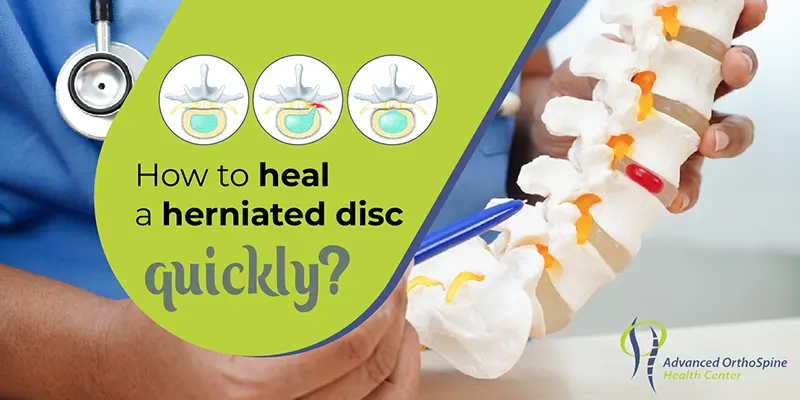
A herniated disc happens when the soft inner gel of a spinal disc pushes out through its outer layer. This often affects the lower back, causing:
- Sharp back or leg pain
- Tingling or numbness in extremities
- Muscle weakness or reduced mobility
Recognizing the condition early ensures faster and more effective herniated disc treatment.
Common Causes of Herniated Discs
Understanding why herniated discs happen helps prevent future injuries. Typical causes include:
- Heavy lifting or improper posture
- Sudden twisting movements
- Age-related wear and tear
- Sedentary lifestyle and weak core muscles
Symptoms of a Herniated Disc
Symptoms vary depending on the location of the disc:
- Lower back pain radiating to legs (sciatica)
- Tingling, numbness, or burning sensation
- Reduced mobility or stiffness
- Muscle weakness in affected areas
Non-Surgical Herniated Disc Treatments
Most herniated discs heal without surgery through:
- Pain Relief Options
- Over-the-counter best painkiller for herniated disc like ibuprofen
- Prescribed herniated disc medication for severe discomfort
- Hot or cold compresses to ease inflammation
Physical Therapy and Exercises
Herniated disc self-care is crucial. Recommended exercises:
- Gentle lower back stretches
- Core strengthening movements
- Low-impact activities such as swimming or walking
Proper posture and ergonomic support help relieve stress on the spine.
Minimally Invasive Procedures
For persistent symptoms, consider:
- L4-L5 disc bulge treatment without surgery
- Guided injections to reduce nerve inflammation
- Traction therapy or targeted physiotherapy
Lifestyle Adjustments for Faster Healing
- Maintain a healthy weight to reduce spinal stress
- Stay active and avoid prolonged bed rest
- Use supportive chairs and mattresses
- Quit smoking to improve disc health
When to See a Specialist
Consult Advanced Orthospine Health Centre if you notice:
- Severe leg pain or numbness
- Muscle weakness or difficulty walking
- Loss of bladder or bowel control
Early intervention can prevent complications and speed up recovery.
Tips for Preventing Future Herniated Discs
- Strengthen your core muscles regularly
- Practice safe lifting techniques
- Maintain good posture while sitting or standing
- Stay active and maintain flexibility
FAQs
1. How quickly can a herniated disc heal?
Mild cases may improve in weeks; severe cases can take months.
2. Can exercises worsen a herniated disc?
Improper exercises may aggravate the disc. Guided physical therapy is recommended.
3. Are medications effective for herniated discs?
Yes. Anti-inflammatories, painkillers, and specific herniated disc medication help manage pain.
4. Is surgery necessary for all herniated discs?
No. Most recover with conservative treatments. Surgery is for persistent or severe cases.
5. How can I prevent future disc problems?
Maintain a healthy weight, strengthen core muscles, and practice proper posture.